Iron-filled PLA printing
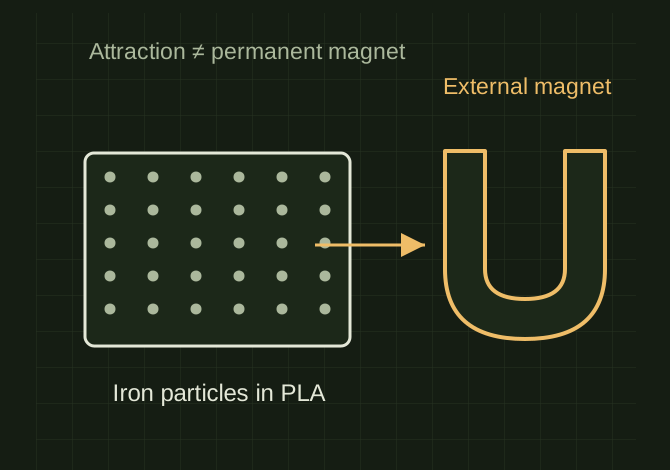
PLA containing iron particles can create a heavier, metal-like decorative print that responds to a magnet. Suitable uses include display pieces, weighted decorative components, and experimenting with metallic finishes. The printed plastic is not a permanent magnet and is not equivalent to a solid iron component. Confirm the material’s exact brand and filler type. Feed gently: heavily filled filament can be brittle. Set filament density from the manufacturer for accurate weight estimates. Use a release/adhesion treatment approved for the plate.
Iron particles inside plastic
 OPEN FULL SIZE ↗
- Material
- Iron-filled PLA
- Response
- Magnetic attraction
- Not equivalent to
- Solid iron or a permanent magnet
TECHNICAL NOTES///
PLA containing iron particles can create a heavier, metal-like decorative print that responds to a magnet. Suitable uses include display pieces, weighted decorative components, and experimenting with metallic finishes. The printed plastic is not a permanent magnet and is not equivalent to a solid iron component.
GOALRun the first test described in this guide and record the result for iron-filled pla printing.
SETTINGS / STARTING POINT
PREPARATION / NOTES
Confirm the material’s exact brand and filler type. Feed gently: heavily filled filament can be brittle. Set filament density from the manufacturer for accurate weight estimates. Use a release/adhesion treatment approved for the plate.
EQUIPMENT
- FDM printer / slicer
- Slicer project
- Calipers or inspection method
MATERIALS
- PLA
STEPS
- Confirm printer, nozzle, plate, and material identity.
- Start from the recorded profile or the slicer default for that material.
- Print a small first-layer and geometry test before the full part.
- Inspect adhesion, dimensions, surface, supports, and failure mode.
- Save the successful project with temperatures, speeds, and revision notes.
TROUBLESHOOTING
- Abrasive filler wears a brass nozzle. Added iron does not establish higher structural strength. PLA’s heat limitations still matter. Magnetic attraction depends on filler loading, thickness, and the magnet; do not treat it as a substitute for an embedded neodymium magnet. Iron may rust, which can be an intentional finish or an unwanted change. Capture sanding dust.
THINGS TO WATCH FOR
Abrasive filler wears a brass nozzle. Added iron does not establish higher structural strength. PLA’s heat limitations still matter. Magnetic attraction depends on filler loading, thickness, and the magnet; do not treat it as a substitute for an embedded neodymium magnet. Iron may rust, which can be an intentional finish or an unwanted change. Capture sanding dust.
RESULTA small tile for surface finish and magnet-attraction testing before making a full decorative part.
REFERENCES
. This is a formulation-specific example, not a confirmed identification of Robert’s filament.
DEVELOPMENT HISTORY///
Imported as an independent manifest record; public copy keeps uncertainty visible.
SPECIFICATION///
RELEASED MATERIAL///
A small tile for surface finish and magnet-attraction testing before making a full decorative part.
The record keeps what is known at this revision. Unfinished tests stay unfinished here.