Metric tap-test block generator
Generate a labeled metric hole set from structured thread data rather than hardcoded positions.
Metric diameter and pitch stay together
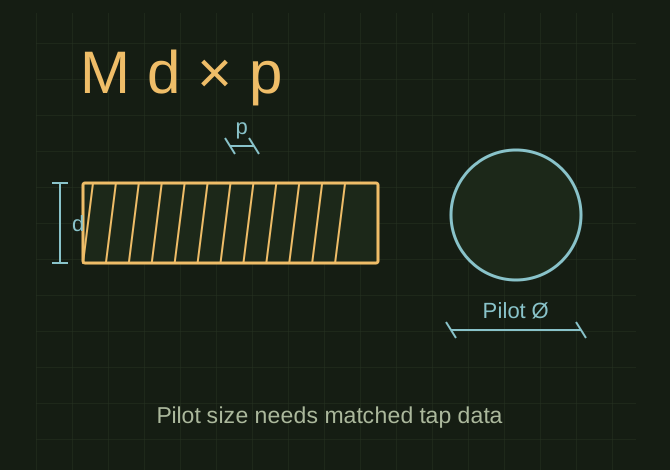 OPEN FULL SIZE ↗
- Units
- Millimeters
- Fields
- Nominal diameter, pitch and pilot diameter
- Distinguish
- Cutting versus forming taps
TECHNICAL NOTES///
Generate a labeled metric hole set from structured thread data rather than hardcoded positions.
GOALRun the first test described in this guide and record the result for metric tap-test block generator.
EQUIPMENT
- CAD / automation tool
- Representative test model
- Measurement or inspection method
STEPS
- Create rows with nominal diameter, pitch, pilot diameter, depth and label, all with explicit millimeter units.
- Use a current tap manufacturer’s drill recommendation for the material and tap type. The nominal-minus-pitch rule is only a rough cutting-tap estimate, not a forming-tap rule.
- Validate spacing and edge margins before generating the block and holes.
- Export a test block and check labels against the input table before tapping or trial assembly.
TROUBLESHOOTING
- M6 alone is incomplete when pitch matters. Do not use the same drill assumptions for cutting taps and roll/form taps. A printed pilot-hole trial does not establish a metal tapping specification.
THINGS TO WATCH FOR
M6 alone is incomplete when pitch matters. Do not use the same drill assumptions for cutting taps and roll/form taps. A printed pilot-hole trial does not establish a metal tapping specification.
RESULTThe generated drawing/table and physical labels agree, including pitch and any intentional diameter offset.
DEVELOPMENT HISTORY///
Imported as an independent manifest record; public copy keeps uncertainty visible.
SPECIFICATION///
RELEASED MATERIAL///
The generated drawing/table and physical labels agree, including pitch and any intentional diameter offset.
The record keeps what is known at this revision. Unfinished tests stay unfinished here.