The Cambridge Five: Familiar Faces with Another Loyalty
Five men associated with Cambridge secretly served Soviet intelligence while gaining positions of British trust. Their exposure unfolded unevenly through defections, investigations and confessions, complicating the public record for decades.
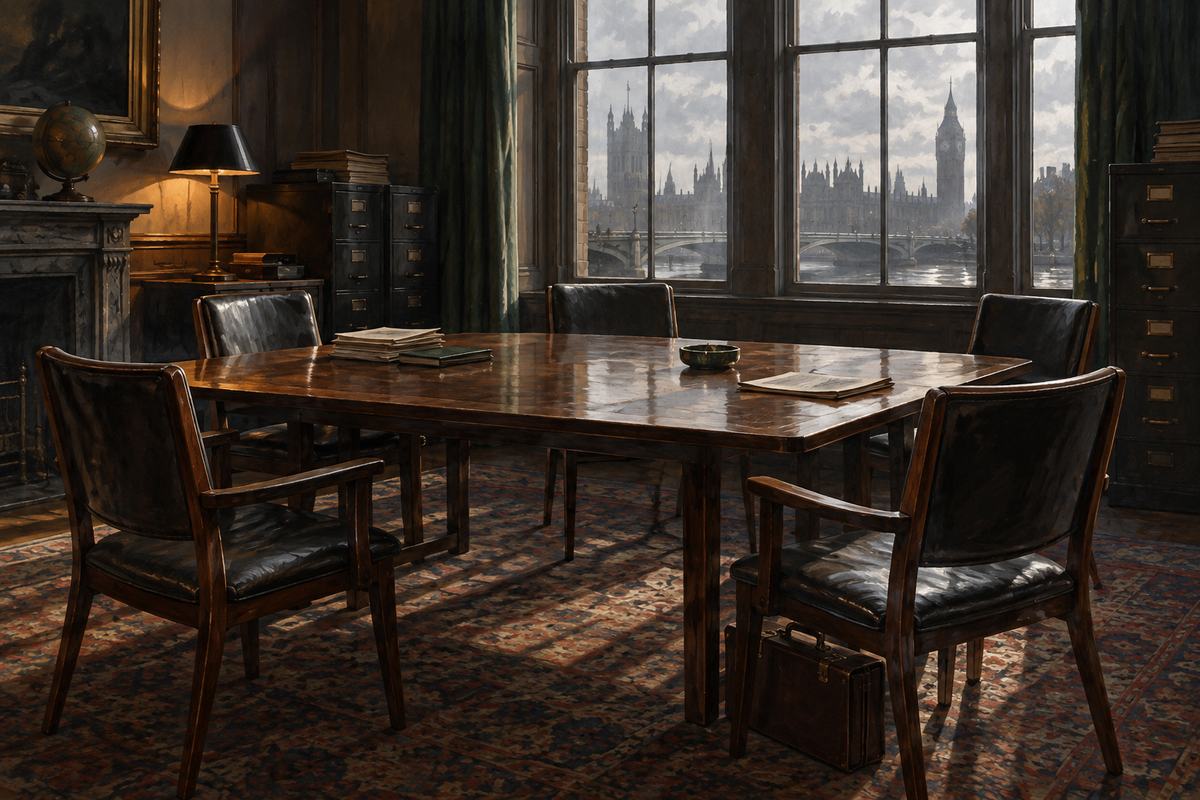
The account
The unsettling feature of the Cambridge spies is how familiar they could appear inside the institutions they betrayed. Guy Burgess, Donald Maclean, Kim Philby, Anthony Blunt and John Cairncross became associated with a Soviet espionage network whose members moved through positions of access and confidence. Their other loyalty did not announce itself at the door. It traveled within careers, friendships and assumptions about who belonged.
Following the trail
Cambridge University Library's exhibition describes the five and the uneven process of uncovering them. It records incomplete confessions by Blunt and Cairncross in exchange for immunity in 1964. Blunt retained a distinguished public identity long after investigators knew of his espionage, before public exposure in 1979. The documented cases establish particular betrayals; they do not justify treating an entire university, profession or social group as collectively disloyal.
Why it stays with us
The mystery was less about breaking into a locked room than being trusted to work inside it. Its long aftermath also separates what an intelligence service knows from what the public knows. A career can continue to look ordinary after the secret has already been discovered, leaving later readers to reconstruct two overlapping histories of the same person.