The Zinoviev Letter: A Forgery Before the Vote
A letter published days before Britain's election claimed to expose revolutionary instructions from Moscow. It was a forgery, but its immediate political effect preceded the slower work of investigating the document's origins.
The account
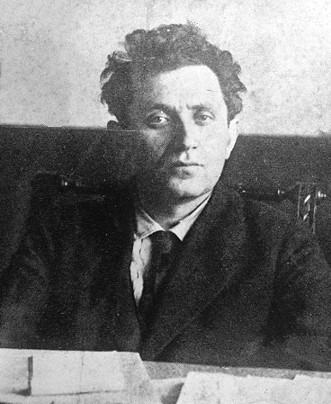
Four days before Britain's October 1924 general election, the Daily Mail published a letter purportedly from Grigory Zinoviev of the Communist International. It seemed to expose instructions for subversion and helped frame the Labour government as vulnerable to Soviet control. The document arrived at precisely the moment when a dramatic revelation could race ahead of a careful inquiry. Its claimed sender denied writing it, but the story was already public.
Following the trail
The University of Warwick's Modern Records Centre preserves the newspaper story, Zinoviev's denial and later investigations. Its historical account identifies the letter as a forgery. Labour lost the election and proposed agreements with Soviet Russia fell away, though a single document cannot be assigned sole responsibility for a national result. The origin and circulation of the forgery require separate scrutiny from the revolutionary plot it claimed to reveal.
Why it stays with us
This is a conspiracy story used as political evidence, with a real deception underneath it. Its force came from timing as much as content: an accusation delivered before a vote can do its work before authentication catches up. The surviving collection lets readers watch the original claim, the immediate denial and the slower argument over credibility occupy different speeds.