The Gulf of Tonkin: The Second Attack That Wasn't
A real naval clash was followed by reports of another attack that later investigation found had not occurred. The paired incidents helped supply the public justification for a major expansion of American war-making.
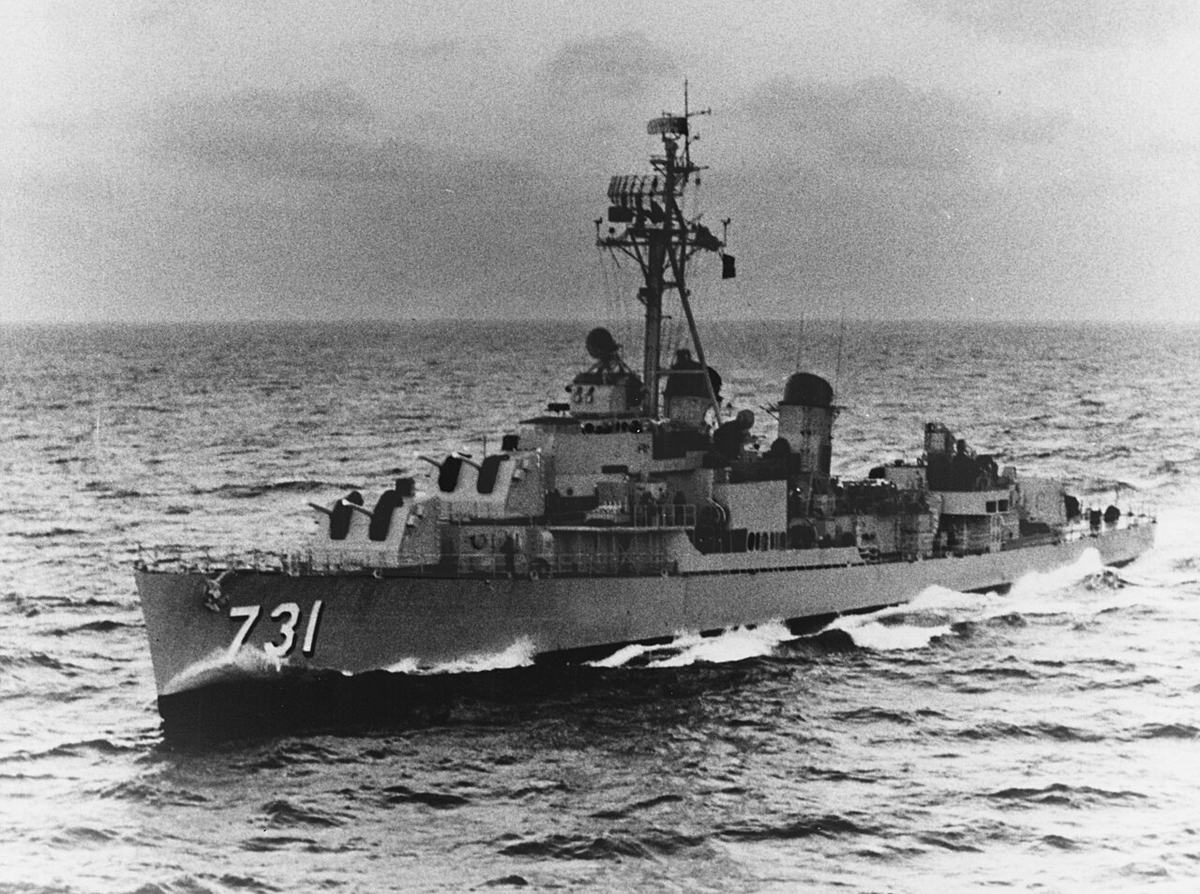
The account
On August 2, 1964, North Vietnamese torpedo boats attacked USS Maddox. Two days later came reports of another engagement in the Gulf of Tonkin. In Washington, the reports rapidly became a story of repeated aggression. Congress passed a resolution giving President Lyndon Johnson broad authority to expand American military action. Doubts emerging from the ships did not occupy the same place in the public account as the confident description of an attack.
Following the trail
The National Archives distinguishes the two incidents. It records that the second report was followed by warnings about weather effects and overeager sonar interpretation. Later NSA research concluded that the August 4 attack never happened, while affirming the August 2 clash. The central historical problem is therefore not that every Tonkin event was fictional, but that uncertainty and contrary evidence were excluded from a consequential narrative.
Why it stays with us
A confused night at sea became a clear sentence in a political decision. That transformation is the troubling part: uncertain observations can acquire greater certainty as they move upward through institutions. Keeping the two dates separate is essential to understanding the case. The record shows how one real attack and one erroneous report could be combined into a far more powerful public justification.