The Flying Dutchman’s Unfinished Voyage
A ship approaches through weather that should have destroyed it, then cannot reach a harbour. The Flying Dutchman has carried different explanations for the same endless voyage for centuries.
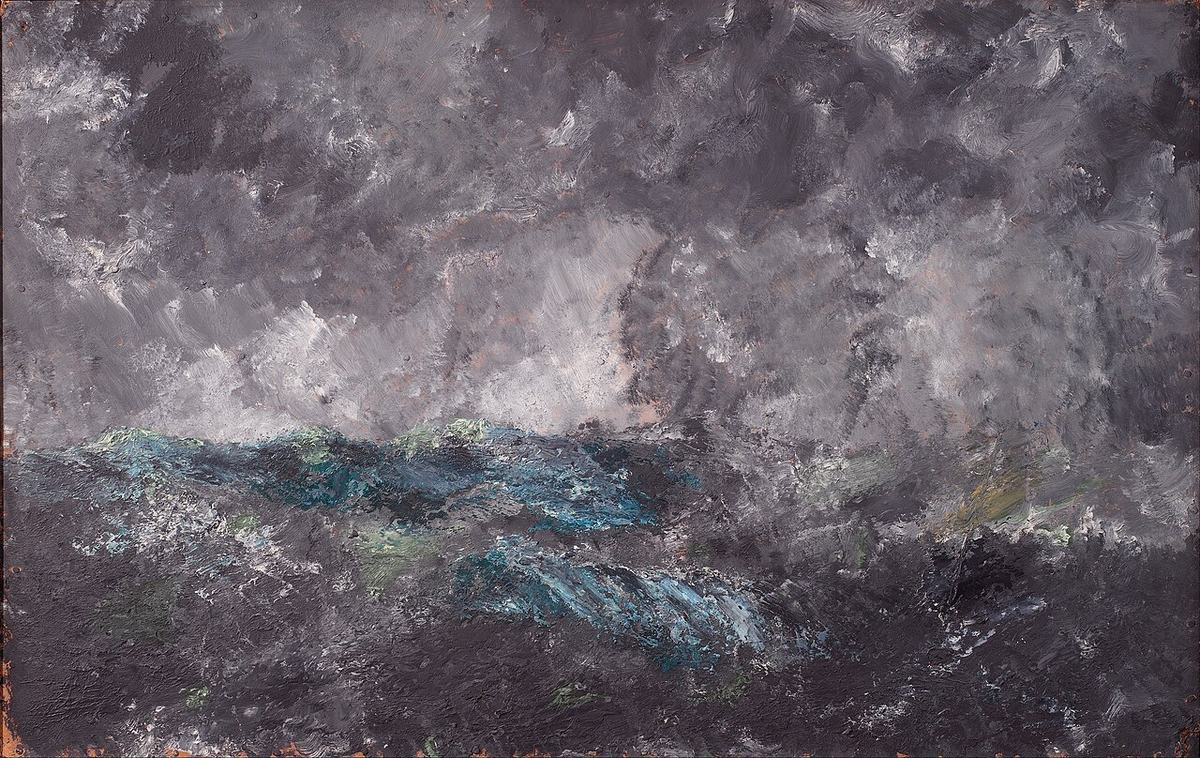
The account
The Flying Dutchman does not merely sink. It continues. In one early version, a Dutch vessel reaches the Cape in terrible weather but cannot obtain a pilot to guide it into harbour. The ship is lost, and its apparition returns in storms. Later versions give the crew a crime, a plague or a captain’s defiant refusal to turn back. Each changes the reason, but preserves the punishment: a voyage that should have ended keeps appearing in the path of other ships. Safety is visible, somewhere beyond the weather, yet arrival remains impossible.
Following the trail
Folklorist D. L. Ashliman’s University of Pittsburgh collection reproduces John MacDonald’s 1790 account and several later texts. It also preserves a reported sighting dated 11 July 1881 from the published Bacchante cruise account: a red-lit vessel appears and is then gone. Those texts establish a long record of telling and reporting, not one identified ship with a proven supernatural fate.
Why it stays with us
The variants are part of the attraction. Sailors could attach a new fear to an old silhouette, while the ship itself kept the same terrible destination: nowhere.