Tarasque
The Tarasque haunted the Rhône in a medieval saint’s legend, then returned as a festival creature. Its story turns from riverside terror to a captive monster led into an unforgiving crowd.
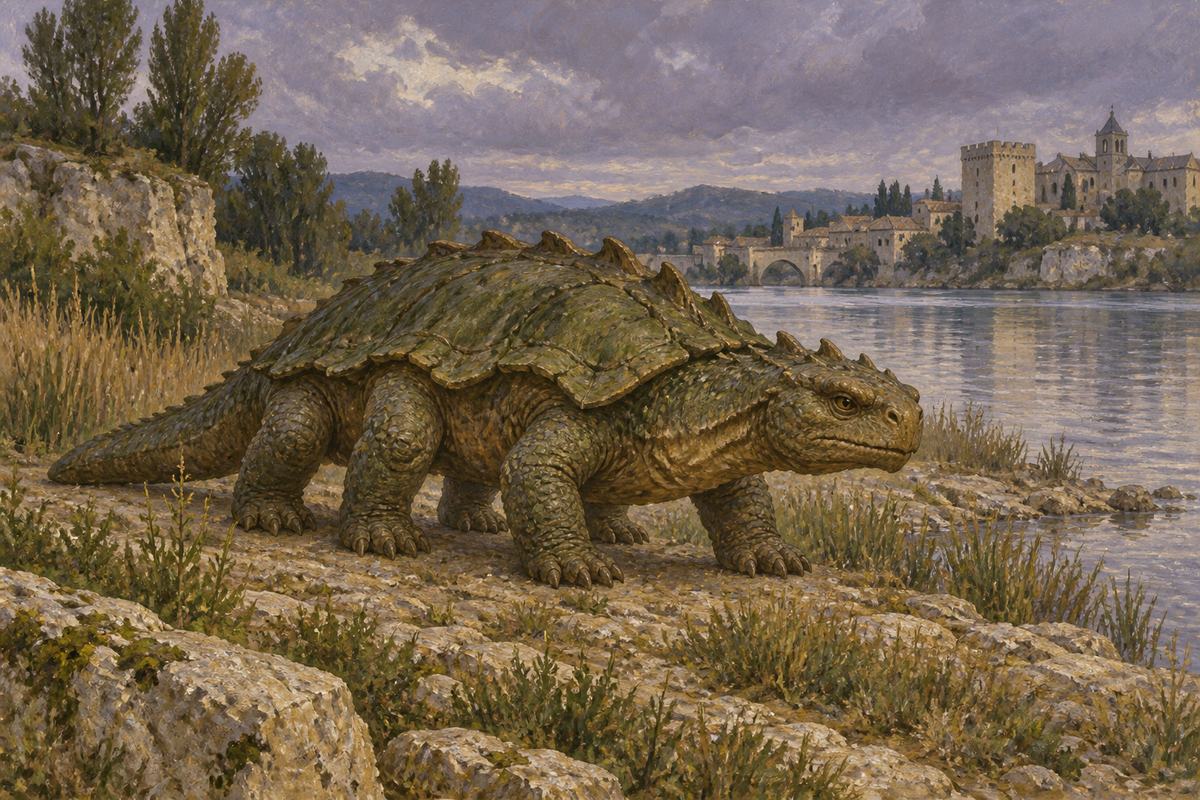
The account
In the Tarascon legend, a scaled monster troubles the banks of the Rhône, devouring animals and people. Saint Martha confronts it through faith and brings it under control. She leads the subdued beast by her belt before the townspeople, who kill it. The episode appears in medieval hagiographic tradition, including the Golden Legend. Yet the Tarasque does not disappear after its death: a great effigy returns in public processions, carrying the once-feared creature back through the town that defeated it.
Following the trail
The medieval text and later festivities establish a longstanding religious and civic tradition, not a verified zoological event. Provence’s official tourism account describes the story and dates associated celebrations to the fifteenth century. Descriptions of the creature’s body vary across depictions and periods. The processional monster is an intentional human-made figure, and its cultural importance does not require pretending that its legendary proportions were measured beside the river.
Why it stays with us
The ending is less comfortable than a simple dragon-slaying victory. Martha brings the threat under control, but the crowd still destroys it. The annual return gives that destroyed body a strange second role: the town now takes responsibility for carrying and preserving the very thing it once feared.