Operation Ivy Bells: Listening on the Ocean Floor
American submarines secretly serviced recording equipment attached to a Soviet undersea communications cable. The operation joined daring underwater work to an ordinary vulnerability: a protected route still carried information worth overhearing.
The account
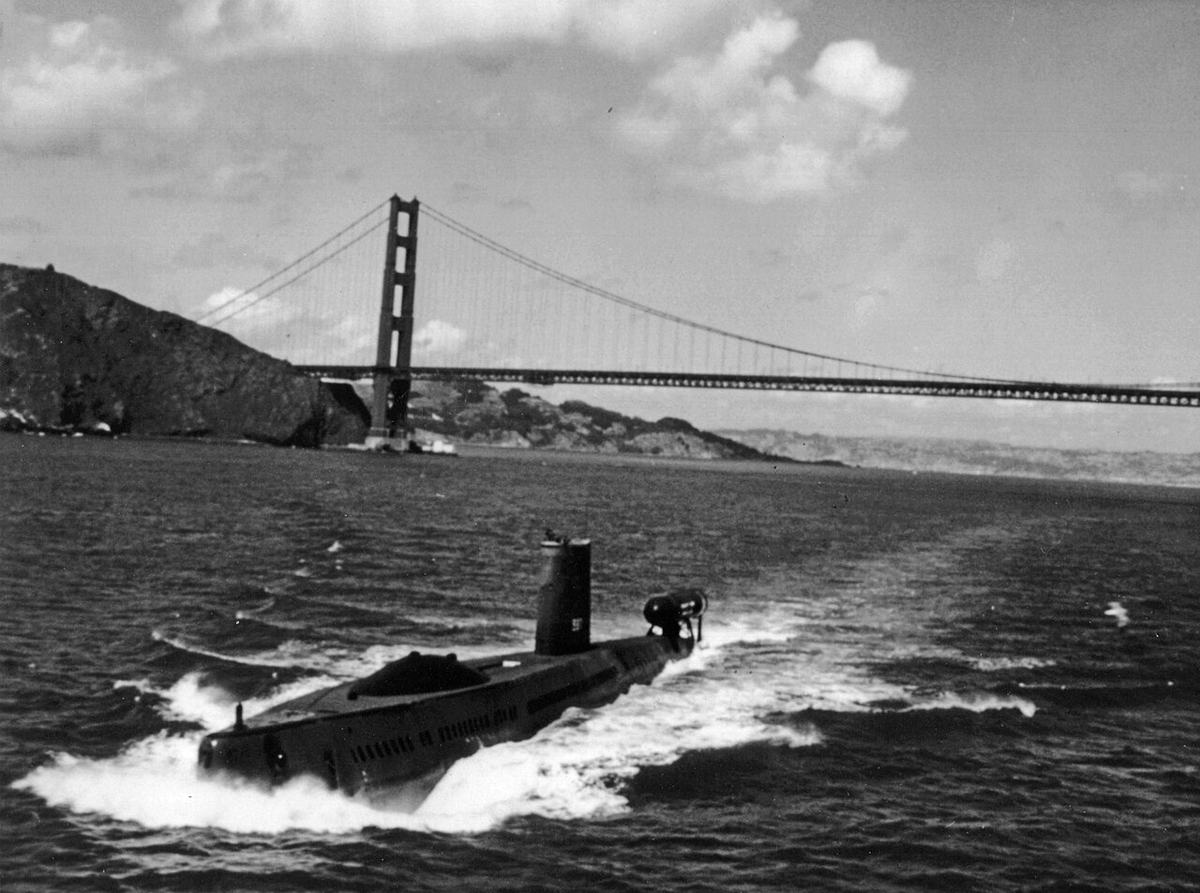
A cable on the seabed can seem safely removed from an eavesdropper. During the Cold War, American submariners found a way to listen there. In the operation known as Ivy Bells, USS Halibut helped place recording equipment on a Soviet underwater communications line in the Sea of Okhotsk. Later visits serviced the equipment, turning a hidden object in cold water into a continuing source of intelligence.
Following the trail
U.S. Naval Institute histories describe the cable interception and the roles of Halibut and later submarines. They report Soviet discovery of the recording equipment in 1981 and connect the compromise with disclosures by former NSA employee Ronald Pelton, arrested in 1985. These accounts document a specific historical undersea operation. They do not imply that every cable or every unexplained submarine movement belongs to an identical ongoing program.
Why it stays with us
Its atmosphere comes from the mismatch between scale and target. A submarine and a trained crew crossed dangerous water to reach a narrow communications line. Nothing on the surface needed to look unusual while another country's conversations were being collected below. The case gives secrecy a physical depth, then shows that even an ocean cannot protect an operation from a person who knows about it.