The Princes in the Tower: A Royal Disappearance
Edward V and his younger brother disappeared from public view after their uncle took the throne. Later bones and competing narratives have not established exactly what happened or who was responsible.
The account
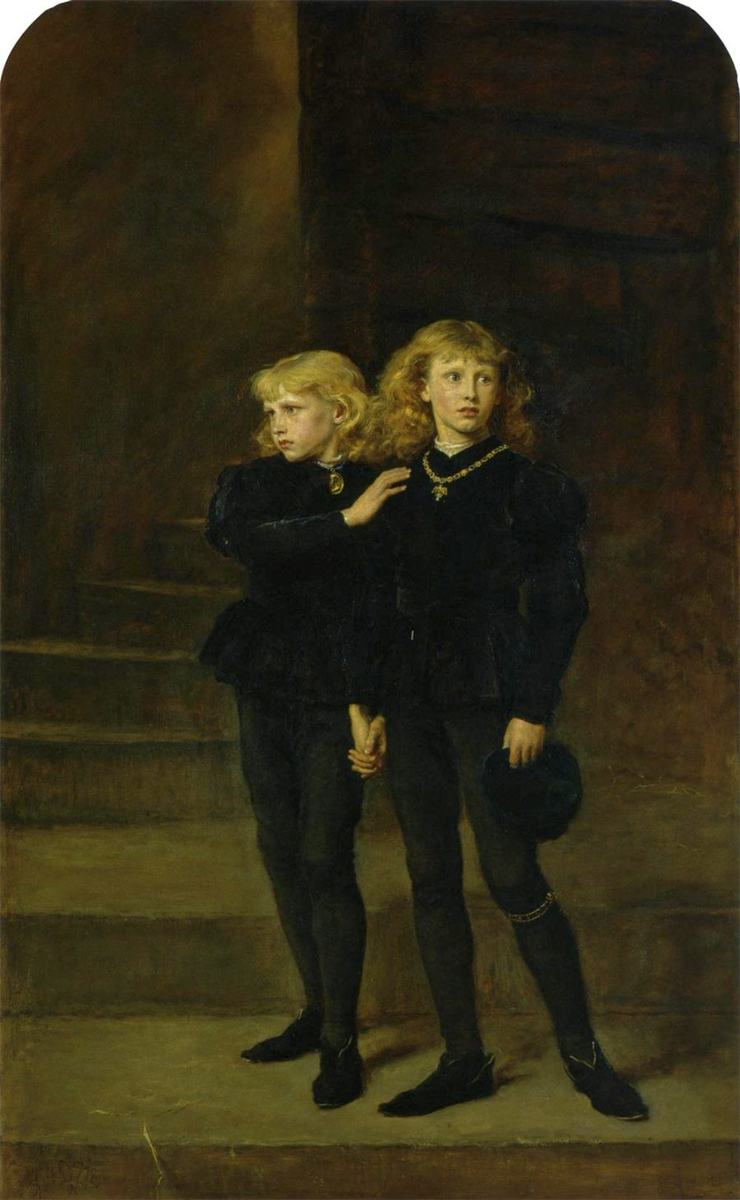
In 1483, the young Edward V and his brother Richard entered the Tower of London. At first, the setting could signify royal protection and preparation for a coronation. Then their uncle became Richard III, and the boys appeared less often. Chroniclers recorded their disappearance from view and growing suspicions. The Tower, which should have led one child toward a crown, instead became the last secure setting of both boys' lives.
Following the trail
Historic Royal Palaces distinguishes contemporary reports, later accounts and the many proposed explanations. The princes are widely thought to have been murdered, but no conclusive record identifies the act or its author. Bones discovered at the Tower in 1674 were attributed to them and later examined, yet that history does not by itself establish a murderer. Richard III's theatrical portrayal is not independent historical proof.
Why it stays with us
The disappearance creates a terrible imbalance: the adults' political moves are recorded while the children's fate is obscured. Every proposed solution also belongs to a struggle over royal legitimacy and reputation. The case is strongest when its uncertainty stays visible, allowing readers to recognize how later generations have repeatedly used the missing boys to tell a story about power.