Dealey Plaza: The Sound That Arrived Too Late
The grassy-knoll question received official support from a disputed sound recording, then a major scientific rebuttal. The episode shows how a national trauma can hinge on a recording's exact timing.
The account
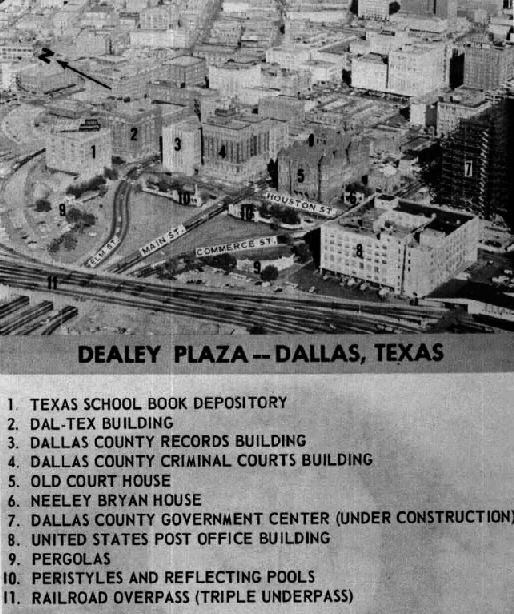
Dealey Plaza became a place where every direction mattered. After President John F. Kennedy was murdered in 1963, claims of gunfire from the grassy knoll helped sustain the belief that more than one shooter had acted. Years later, investigators examined a Dallas police recording for impulses that might preserve the shots. The promise was extraordinary: an open microphone might still contain the answer that eyewitness confusion had obscured.
Following the trail
In 1979, the House Select Committee on Assassinations relied partly on acoustic analysis to support a probable conspiracy. A 1982 National Research Council review rejected the relevant acoustic conclusion. It found that the impulses identified as shots were recorded about a minute after the assassination, when the motorcade had already been directed toward the hospital. That recording does not establish a second gunman.
Why it stays with us
This is a historical dispute with a measurable hinge: were the sounds actually simultaneous with the event? A recording can feel more objective than a memory and still be misinterpreted. The enduring sorrow and uncertainty surrounding the assassination should not turn a superseded technical finding into settled evidence, or an unsupported allegation into an identified hidden culprit.