The Beale Ciphers: A Fortune Behind the Numbers
Three strings of numbers promise a buried Virginia fortune. One can be read with the Declaration of Independence, but the surrounding story and the remaining supposed messages have never secured general acceptance.
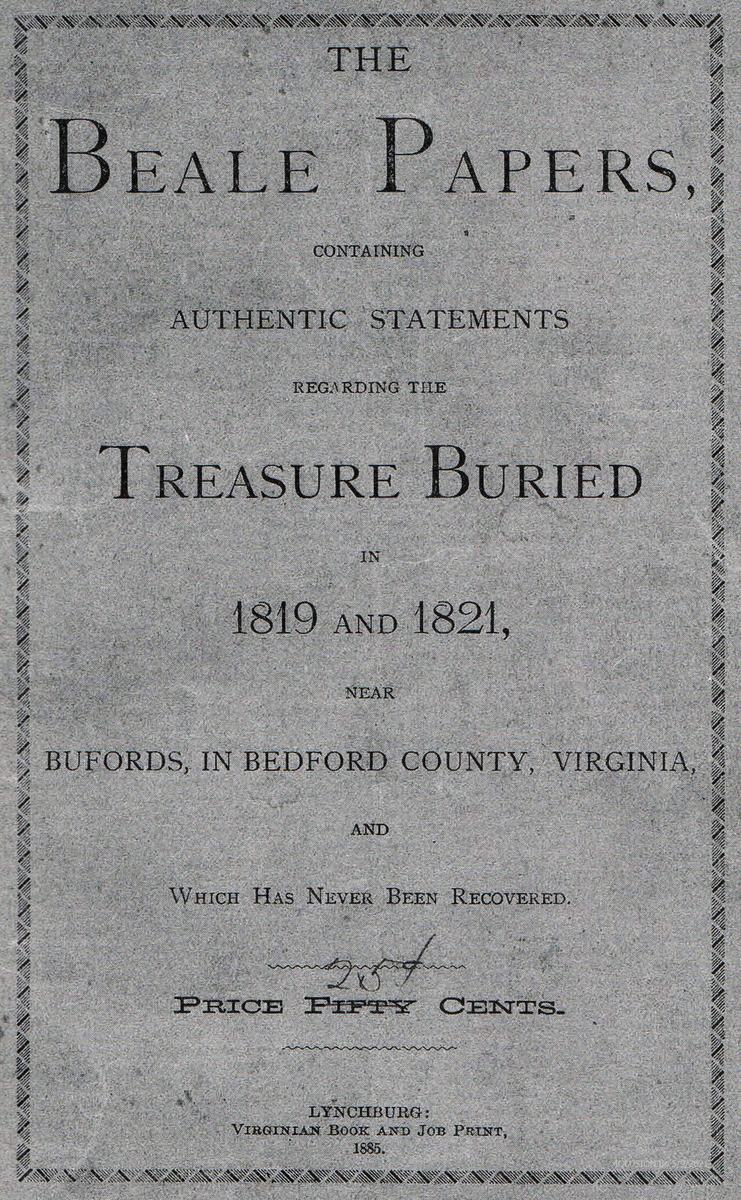
The account
The Beale story offers treasure hunters something more durable than a rumor: pages of numbers. An 1885 pamphlet claimed that Thomas J. Beale had left papers concealing the location, contents and ownership of a buried fortune. One sequence could supposedly be unlocked with the Declaration of Independence. The resulting text described valuables, while the information that would lead a searcher to them remained just out of reach.
Following the trail
The NSA's released Beale collection preserves material about the ciphers and attempts to analyze them. One document explains the book-cipher method, using numbered words from the Declaration to produce letters. Preservation by the NSA is not an endorsement of the treasure story. The historical narrative and the status of the other two number sequences remain disputed; an apparently solved portion does not authenticate the entire package.
Why it stays with us
The trap is beautifully constructed whether or not it was deliberate: the readable message establishes the prize, while the unreadable messages postpone the reward. A listener can feel the pull of an answer that appears only a clever substitution away. The actual historical artifact is the cipher publication, whose promised buried world remains unverified.