Beast of Gevaudan
The Beast of Gévaudan grew around real fatal attacks in eighteenth-century France. Hunts killed wolves, reports continued, and the press gave an uncertain predator the terrifying outline of one relentless beast.
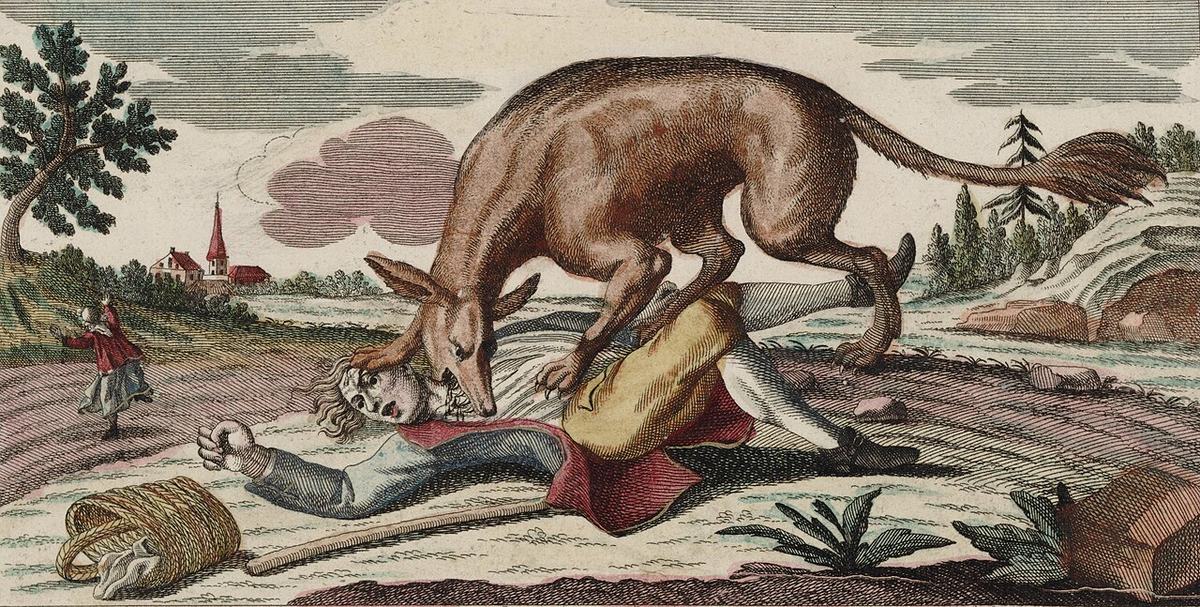
The account
Between 1764 and 1767, deadly attacks frightened communities in Gévaudan. Women and children were especially vulnerable, and the news reached the royal court. Hunters searched the countryside while descriptions made the predator seem larger and stranger than a familiar wolf. In September 1765, royal hunter François Antoine killed a large wolf and sent its body to Versailles. The apparent ending did not hold: further attacks were reported. Jean Chastel’s killing of another animal in June 1767 became the traditional closing episode.
Following the trail
The deaths and organized hunts are historical; the extraordinary single creature built around them is less certain. Smithsonian’s account draws on historians who distinguish the attacks from sensational reporting. Historian Jay M. Smith considers multiple wolves the strongest explanation. Exact totals and the identity of every attacker remain debated, so this entry does not turn a disputed count or exotic-animal theory into a settled finding. Supernatural powers belong to the retellings.
Why it stays with us
The return after the first supposed victory is what gives the story its dreadful momentum. A body has been displayed, a reward paid, and an explanation accepted, yet people are still at risk. The gap between an official ending and an unfinished threat is more disturbing than any elaborate monster anatomy.