U225X / STRANGE FILES
The Reichstag Fire: The Emergency That Became a Regime
Berlin, Germany / February 1933
The burning of Germany's parliament was used to justify sweeping repression. Responsibility for setting the fire remains historically contested, while the Nazi exploitation of it to dismantle rights is firmly documented.
Documented political exploitation; arson responsibility disputed
The account
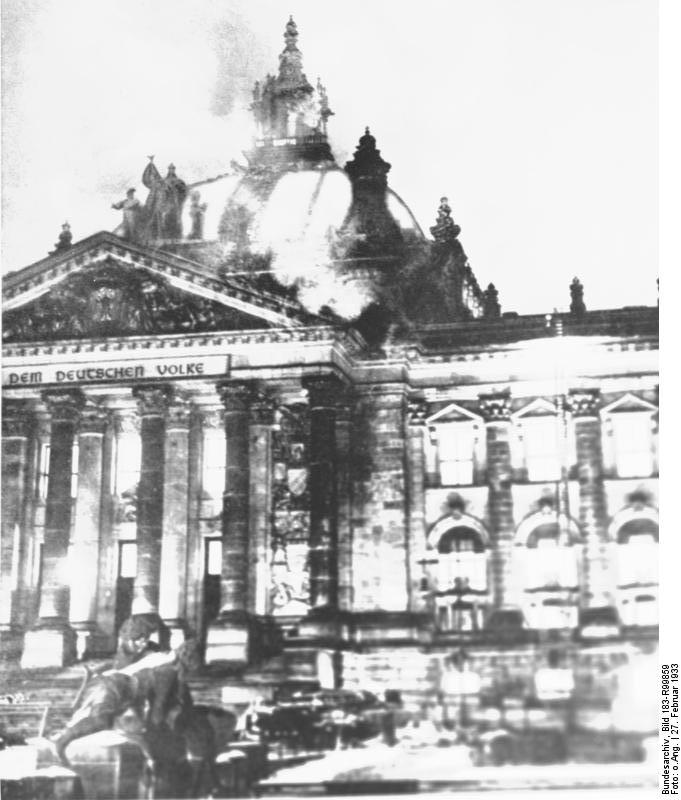
On February 27, 1933, the Reichstag burned in Berlin. The physical fire was followed almost immediately by a political claim: the Nazi leadership said it revealed a Communist uprising. The next day, an emergency decree suspended fundamental protections. A spectacular crime became the public reason for powers that reached into speech, newspapers, meetings and homes. The blaze ended; the measures imposed in its name endured.
Following the trail
The United States Holocaust Memorial Museum distinguishes uncertainty about the fire's origins from the documented exploitation of it. Marinus van der Lubbe was convicted, while other defendants were acquitted for insufficient evidence. The claim of an impending Communist uprising was false. The Reichstag Fire Decree allowed detention without specific charges and suppression of political opponents, helping establish dictatorship. Disputed authorship of the fire does not make these consequences uncertain.
Why it stays with us
This case contains two questions that should not be collapsed: who started the fire, and what the government did with it. The second has an extensive public record even where the first remains debated. Its historical horror is therefore not dependent on proving a perfect secret plot. An emergency's political use can be clear enough to study while the initiating event retains unanswered details.