MKULTRA: The Experiments in the Surviving Files
Secret behavioral experiments included drug tests on people who had not consented. Destroyed records left gaps, but surviving documents and Senate hearings established abuses without proving the fantastical mind-control powers of later fiction.
The account
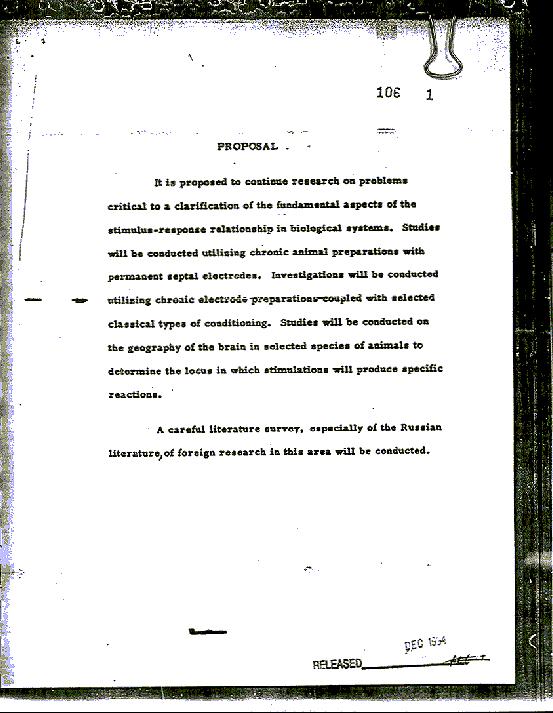
The most disturbing part of MKULTRA is not a machine that could perfectly control a mind. It is the documented willingness to experiment on people who did not know they were subjects. Under a secret CIA program, researchers explored drugs and other means of influencing behavior. When investigators later tried to reconstruct the work, much of its paper trail was gone. The missing files became another barrier between the victims and a complete account.
Following the trail
The Senate's August 1977 hearing records covert drug testing, including LSD administered to unwitting people. It also documents the destruction of MKULTRA records in 1973 and the later discovery of additional financial material. These establish secret, unethical experiments and deliberate records destruction. They do not demonstrate that the agency achieved reliable total control over people or validate every later story carrying the MKULTRA name.
Why it stays with us
A bureaucracy can make harm look like a research category, and missing paperwork can make accountability harder long after an experiment ends. The surviving record is chilling precisely because its abuses do not require impossible technology. The essential questions concern consent, institutional power and what can still be reconstructed after the people responsible remove part of the evidence.