U225X / STRANGE FILES
The Popish Plot: The Conspiracy That Was Invented
England / 1678–1680s
Titus Oates's fabricated claims of a Catholic plot to kill Charles II triggered persecution and executions. The supposed conspiracy was imaginary, but the machinery that punished its accused participants was real.
Fabricated conspiracy with documented persecution
The account
In 1678, Titus Oates offered England an account of a concealed Catholic conspiracy against Charles II. The accusation arrived in a climate ready to fear such a plot. Once believed, it gave ordinary religious identities and associations a sinister second meaning. The danger supposedly hiding behind daily life became the explanation for new suspicions, and the demand to expose it produced terrible consequences for those accused.
Following the trail
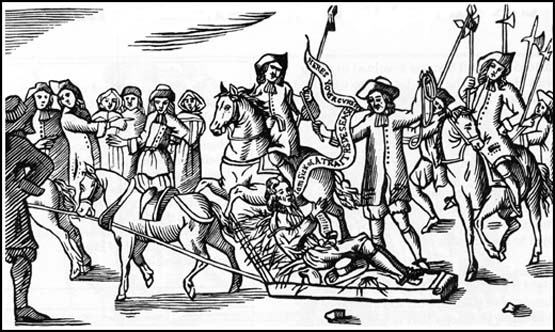
The Royal Collection Trust identifies Oates as the fabricator of the Popish Plot; its collections include an image of his later punishment in the pillory. Historical accounts distinguish his false assassination allegations from the actual political and religious conflicts of the period. Oates was convicted of perjury. The prosecutions and deaths generated by the panic belong to documented history, while the conspiracy he described does not.
Why it stays with us
This is a secret-plot story in which belief creates the danger it claims to uncover. An accusation can gather authority from repeated public attention, even when the underlying narrative is false. Its historical chill comes from the distance between the weakness of the evidence and the strength of the institutions willing to act on it.