Operation Highjump: The Secret Land Was Ice
A large American naval expedition entered Antarctica to map terrain and test polar operations. Its remote setting later attracted exotic stories, but surviving operational history describes ships, weather, logistics and dangerous ice.
The account
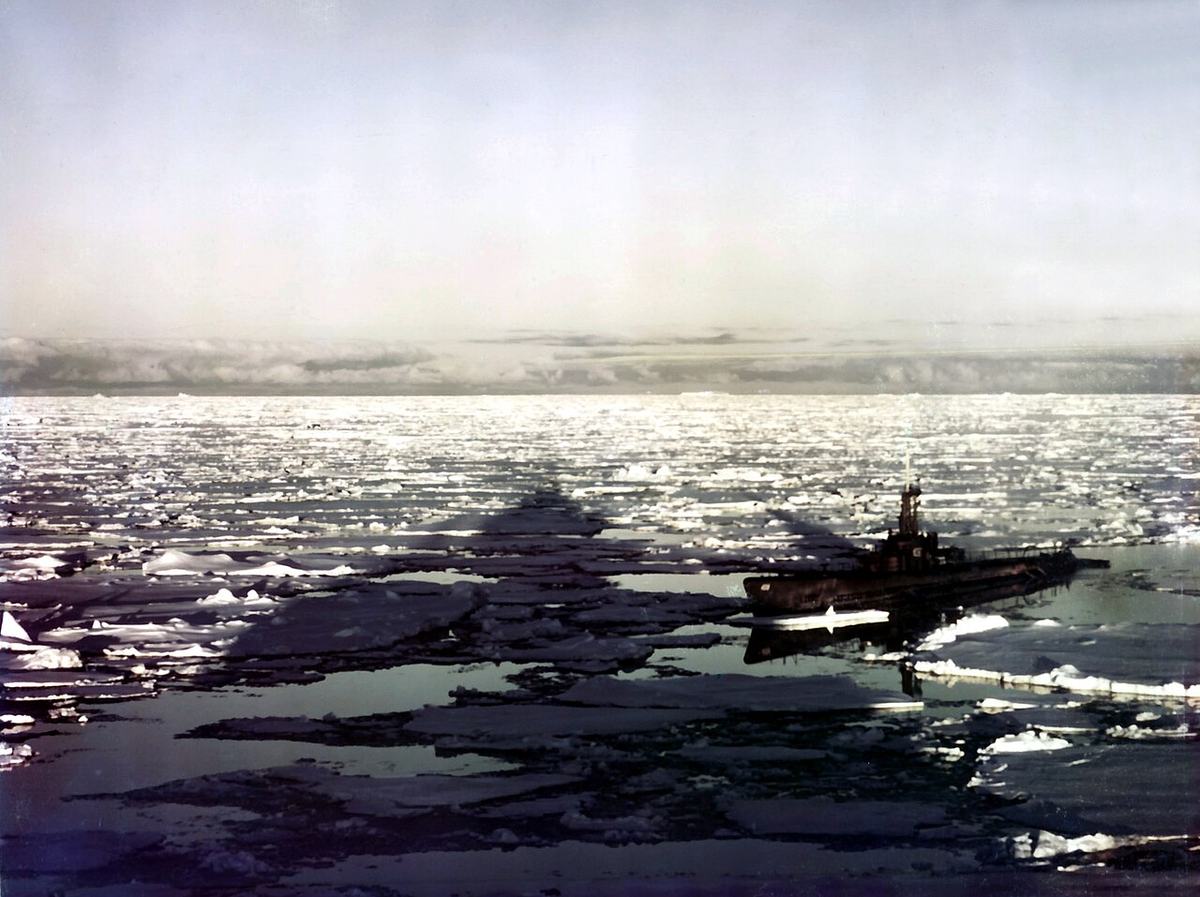
A fleet entering Antarctica is an image that invites secrets. During Operation Highjump, American ships and aircraft approached a continent that remained difficult to chart and harder to operate in. The icebreaker Burton Island was needed so urgently that its construction was accelerated and it sailed without the usual extended shakedown. Behind the expedition's imposing name was an immediate, physical problem: how to move people and machines through a region capable of trapping them.
Following the trail
Naval historical accounts identify exploration, mapping and evaluating military operations in polar conditions as Highjump's purposes. Ship histories preserve voyages, ice encounters and the work of supporting the task force. These records document a substantial expedition. They do not substantiate later tales of hidden civilizations, a hollow-Earth entrance or a battle with extraordinary forces. A remote military mission is not evidence of those additions.
Why it stays with us
Antarctica supplies the perfect blank background for a second history. Yet the real account already carries suspense: unfamiliar waters, equipment still being proved and the narrowing choices imposed by ice. The dramatic scale should not be mistaken for a concealed supernatural objective. Its verifiable strangeness lies in what an expedition had to do simply to function there.