U225X / STRANGE FILES
Shakespeare's Name: The Writer Behind the Signature
England / Elizabethan and Jacobean era; later authorship debates
Alternative-authorship theories imagine an unseen writer behind Shakespeare's name. Surviving publishing and biographical records support the Stratford man, while the gaps in an early modern life continue to invite speculation.
Alternative-authorship claim unsupported by prevailing documentary evidence
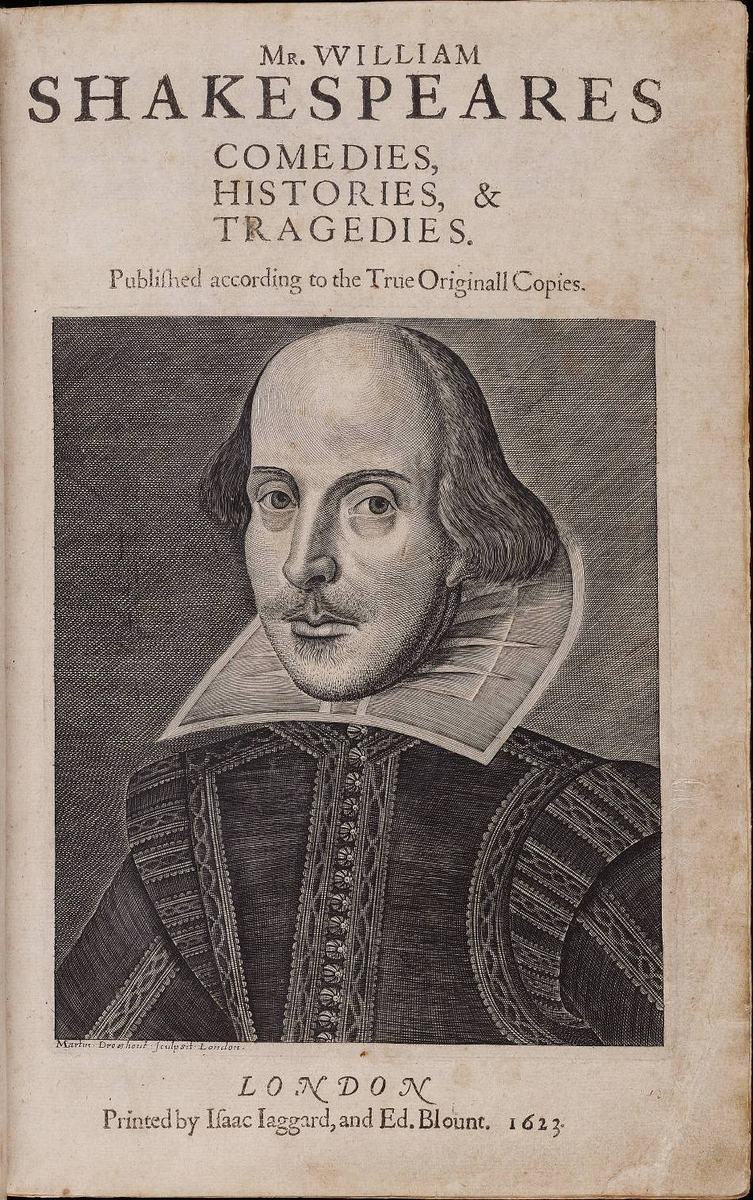
The account
The plays offer courts, distant cities, intimate betrayals and startling knowledge of human motives. To some readers, the life of William Shakespeare seems too incompletely recorded to contain them. Alternative-authorship theories turn that discomfort into a hidden arrangement: another writer supplied the work, and the actor's name concealed the truth. It is a literary secret with an unusually seductive prize—the possibility of recognizing a second person inside familiar words.
Following the trail
The Folger Shakespeare Library's documentary work connects the writer with the Stratford man through contemporary records. Its Shakespeare Documented project gathers publication, legal and other evidence, including Stationers' Register entries naming him as author. Scholars can investigate collaboration or the authorship of particular passages without accepting a substitute author for the canon. Documentary gaps alone do not establish the proposed concealed identity.
Why it stays with us
This mystery asks a compelling question in an unreliable form: how much must we know about a person's life before accepting the work attributed to them? The surviving paper trail deserves close attention, as do its limits. What makes the story linger is the distance between the enormous presence of the plays and the smaller, uneven archive of their maker.