Roswell: The Debris That Outlived Its Explanation
A rancher's debris and a military announcement became the best-known alien cover-up story in America. The surviving official record points toward a secret balloon project, leaving a durable cultural mystery.
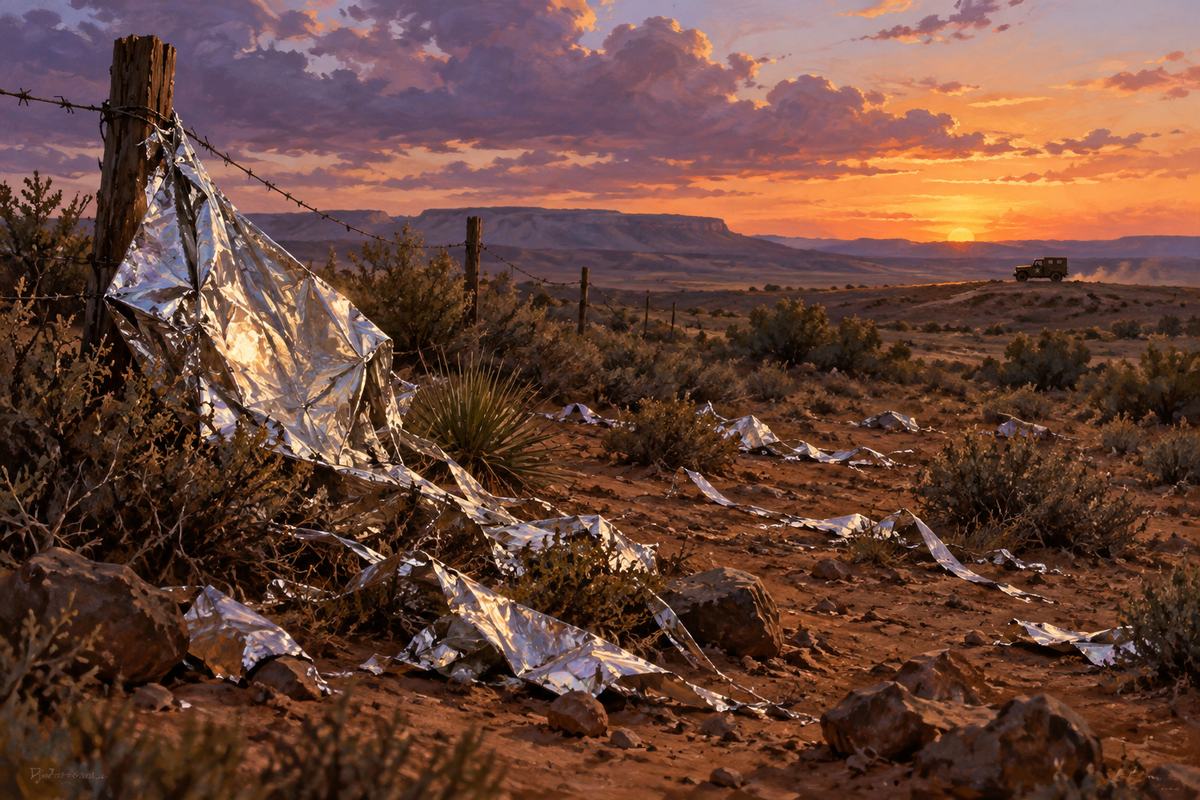
The account
In July 1947, material recovered near Roswell passed into military hands, and a desert town acquired a second life in the imagination. The central question became larger than the scattered wreckage: had the government recovered something from another world and immediately hidden it? Later accounts supplied alien occupants and concealed evidence. Those additions should be heard as claims made about the event, not as things established at the recovery site.
Following the trail
The Air Force's 1994 investigation found the debris consistent with a balloon device from a classified project and found no records supporting recovered aliens. A separate GAO search examined how relevant government records had been handled. Neither inquiry produced evidence of an extraterrestrial crash. Secrecy surrounding military balloon work was real; the proposed alien explanation remains unsupported by the records those investigations located.
Why it stays with us
Roswell has the shape of a locked-room mystery stretched across open desert. An institution possessed a secret, and that fact gave later stories somewhere to shelter. The useful distinction is between an actual classified activity and the much more extraordinary cargo that retellings placed inside it. One does not establish the other.