U225X / STRANGE FILES
Wawel Dragon
Krakow, Poland / Recorded around 1200; later Polish chronicle variants
The Wawel Dragon lives beneath Kraków in a story recorded around 1200. Its defeat changes between chronicles, and the earliest version leaves a human betrayal beside the monster’s body.
Medieval literary legend with traceable revisions
The account
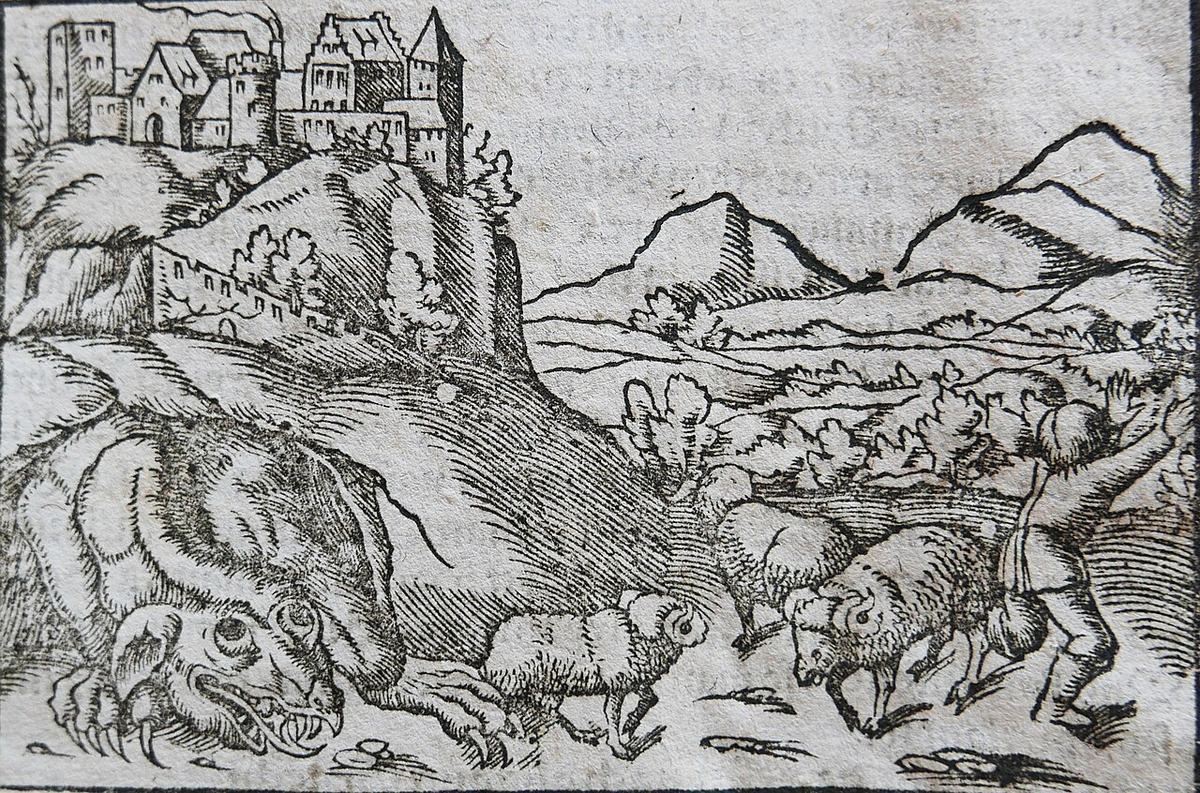
In Wincenty Kadłubek’s chronicle, a devouring monster occupies a cave near the Vistula. The ruler’s sons overcome it by offering an animal stuffed with sulfur. But killing the dragon does not end the danger: the younger brother murders the elder and blames the beast. When the deception is exposed, Wanda succeeds to power. Later chroniclers change the slayer, eventually introducing the clever cobbler Skuba. The cavern remains while the people credited with defeating its inhabitant change around it.
Following the trail
Wawel Royal Castle traces the earliest written version to the turn of the thirteenth century and explains the later revisions. Its exhibition distinguishes the mythical foundation story from the history of the real cave and modern dragon sculpture. The familiar cobbler version should not be assigned wholesale to Kadłubek. These are documented literary traditions, not evidence that a sulfur-fed reptile lived beneath the castle.
Why it stays with us
The early betrayal gives this dragon story a second darkness. Once the obvious monster is defeated, ambition still finds someone to kill. The cave can be emptied, but the danger has already moved into the victorious family. That complication is easy to lose when the tale becomes only a clever trick and a happy ending.