U225X / STRANGE FILES
Humbaba: The Guardian Who Asked for Mercy
Mesopotamian tradition; mythical Cedar Mountain / Sumerian Huwawa tales survive on tablets dated approximately 1900–1600 BCE
Gilgamesh enters the cedars to confront Huwawa, later known as Humbaba. In the Sumerian account, terror gives way to pleading, and the killing earns divine anger rather than uncomplicated approval.
Ancient literary guardian with archaeological representations; supernatural existence unverified
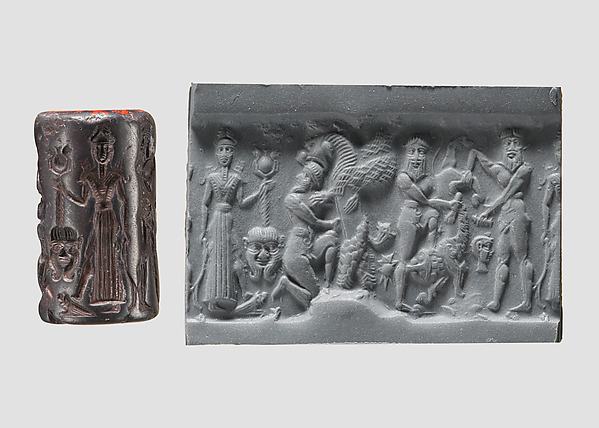
The account
The cedars are guarded, and their keeper possesses terrors that cannot simply be cut down with a tree. In the Sumerian Huwawa tale, Gilgamesh uses promises to draw those protections away. The terrifying guardian is seized and pleads for release. Gilgamesh feels pity, but Enkidu opposes mercy, and Huwawa is killed. When the severed head is brought before Enlil, the god's response is anger. The heroes have returned with a trophy that is also an accusation.
Following the trail
Oxford's translation of Gilgamesh and Huwawa, version A, makes the plea and Enlil's rebuke explicit, while recording variations over who performs the killing. Penn Museum holds a Sumerian tablet fragment of this composition dated 1900–1600 BCE. Huwawa also appears in ancient visual culture; the Met identifies his head on an Old Babylonian cylinder seal. The objects establish literary and artistic traditions, not the historical existence of a forest monster.
Why it stays with us
The guardian's vulnerability changes the emotional direction of the encounter. Once captured, he has a voice and a claim on the reader's sympathy. The episode resists the easy assumption that arriving with a monstrous head proves the deed was right. Its oldest surviving forms already leave room to fear the heroes' choices as well as their opponent.