U225X / STRANGE FILES
Enkidu Below: The Rules of the Netherworld
Sumerian literary tradition; southern Mesopotamia / Surviving Old Babylonian tablets, approximately 1900–1600 BCE
Enkidu descends to retrieve objects lost by Gilgamesh and ignores the rules of the dead. A later opening permits an encounter in which the underworld's conditions become painfully personal.
Sumerian literary narrative preserved in Old Babylonian manuscripts
The account
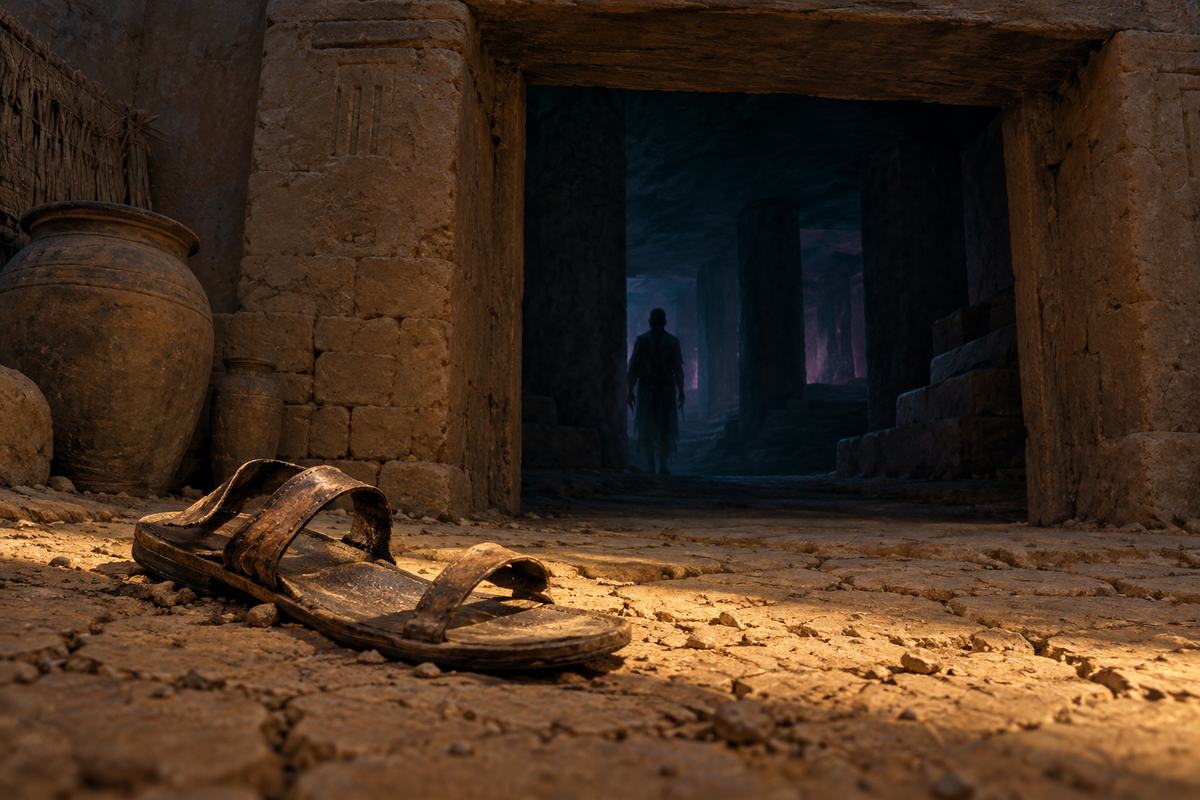
Gilgamesh's possessions have fallen where his hands cannot reach them. Enkidu offers to descend, but the journey comes with warnings: clean garments, scented oil, sandals and familiar gestures can betray a visitor from the living world. He disregards the warnings and is detained below. Gilgamesh appeals to the gods until a passage is opened. Their reunion leads to questions about those who have died, and the answers turn an impossible landscape into a series of individual fates.
Following the trail
Gilgamesh, Enkidu and the Netherworld is a Sumerian composition surviving in multiple tablets and variants. A Nippur tablet catalogued by the Cuneiform Digital Library Initiative is dated approximately 1900–1600 BCE. Oxford's translation visibly marks damaged passages and differences between manuscripts. It includes the plight of a spirit left without funerary offerings. This is textual evidence for an ancient imagined afterlife, not a verified report brought back from death; the first composition may precede the surviving copies.
Why it stays with us
The story begins with objects and ends with people. What seemed a task of retrieval becomes a confrontation with separation, memory and care for the dead. The rules make the underworld disturbingly social: the visitor betrays himself through familiar habits. Even affection can become dangerous in a place whose customs do not permit the living to behave as usual.